Engine Oil Additives: The Hidden Technology Protecting Your Engine
Explore how additive chemistry improves engine oil durability, cleanliness, and long-term engine protection.
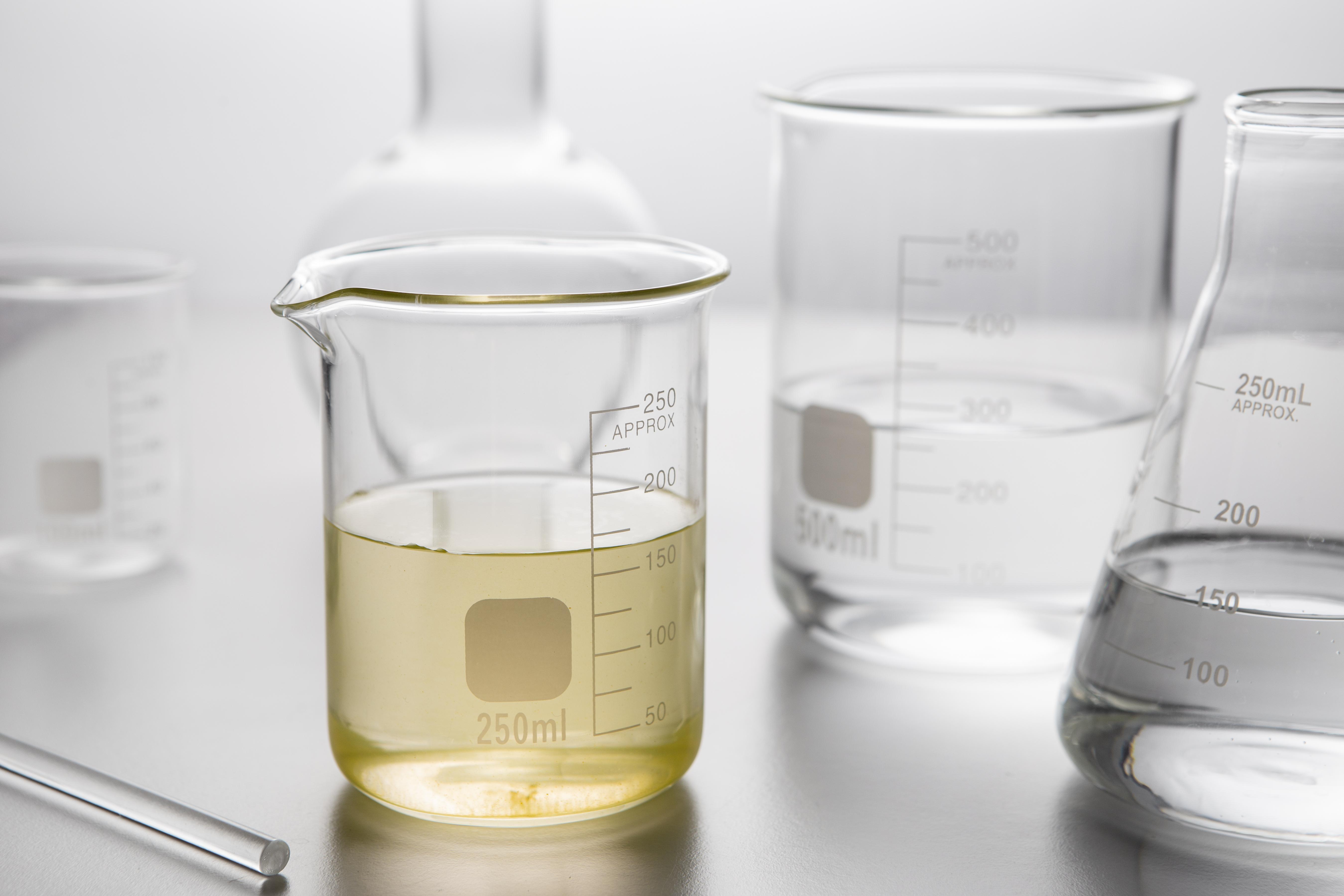
The Complexity of Modern Lubricants
Behind every high-quality engine oil lies a complex formulation designed to deliver reliable lubrication under challenging conditions. While base oil provides the essential lubrication layer, additives play a key role in optimizing the oil’s performance.
Additives enhance the lubricant’s ability to protect engine components, maintain cleanliness, and remain stable during operation.
How Additives Improve Engine Oil Performance
Additives are incorporated into lubricants to address several operational challenges that occur during engine operation.
These challenges include heat, friction, oxidation, and contamination.
By addressing each of these factors, additives help ensure that the lubricant continues to perform effectively throughout its service interval.
Core Functions of Lubricant Additives
- Friction and Wear Reduction
Anti-wear additives protect engine components by forming protective films that reduce friction between moving parts.
- Deposit Control
Detergents and dispersants help prevent the buildup of carbon deposits and sludge that can affect engine efficiency.
- Oil Stability
Antioxidants slow down the degradation process caused by heat and oxygen exposure.
- Corrosion Protection
Rust inhibitors prevent chemical reactions that may damage engine components over time.
- Maintaining Reliable Lubrication
Engine oils must maintain proper viscosity across a wide range of temperatures. Viscosity modifiers ensure that the oil flows efficiently during cold starts while remaining thick enough to protect components at high temperatures.
Anti-foaming agents further support stable lubrication by preventing air bubbles from forming in the oil.
Tomoil Additive Technology
Tomoil lubricants integrate advanced additive chemistry designed to maintain performance under demanding conditions. These optimized formulations help support extended oil life, consistent lubrication, and reliable engine protection.