What Is Manual Transmission Oil? When Should It Be Changed?
Transmission oil is a special type of lubricant formulated with additives to protect gear sets working under high pressure, friction, and extreme temperatures
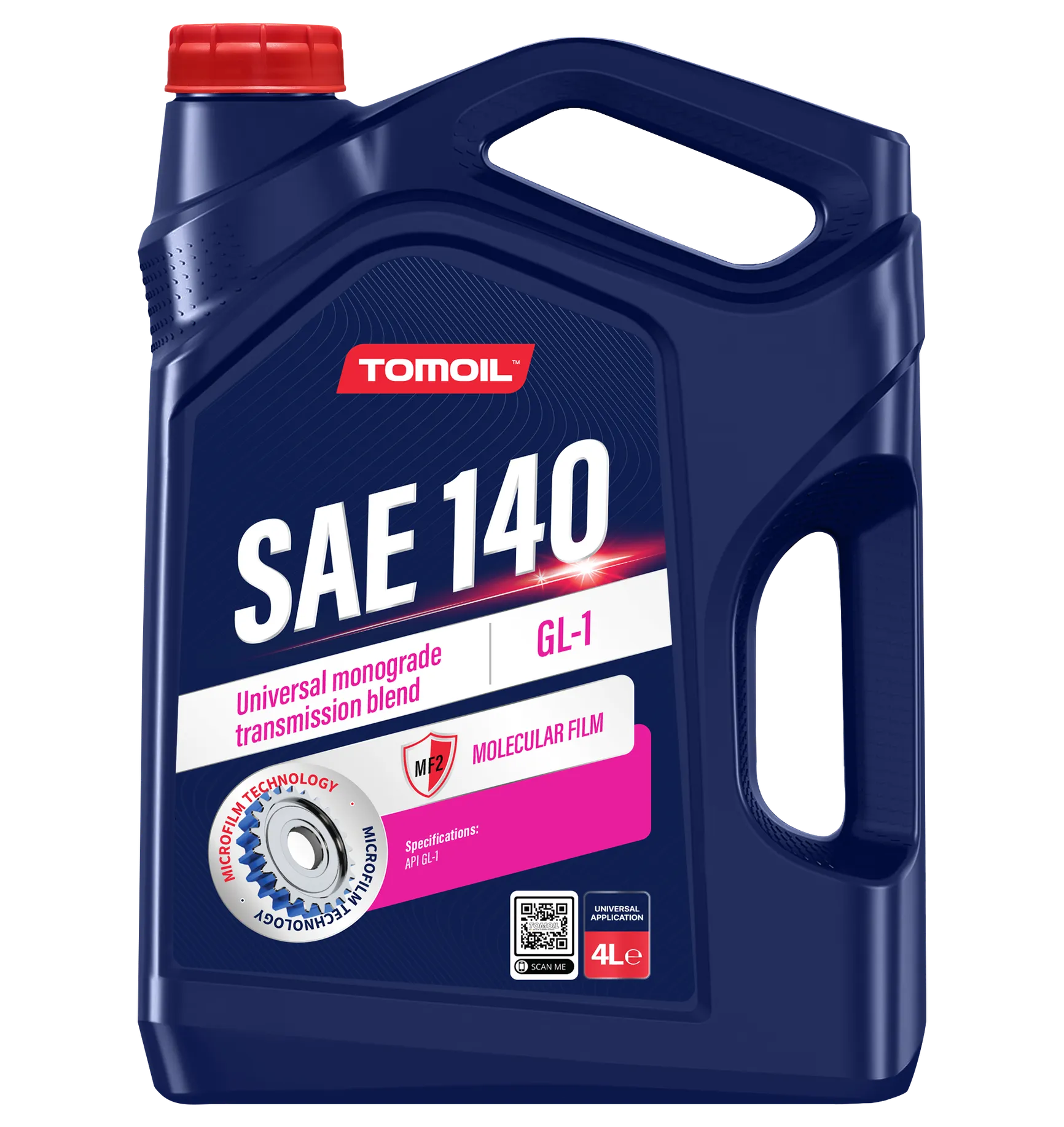
Transmission oil is a special type of lubricant formulated with additives to protect gear sets working under high pressure, friction, and extreme temperatures.
Main Functions of Transmission Oil
1. Minimizing Friction
Gear wheels constantly contact each other, creating high levels of friction. Transmission oil reduces this friction, extending the lifespan of components.
2. Reducing Heat
Friction generates heat. Quality transmission oil helps absorb and distribute this heat, preventing overheating.
3. Optimizing Power Transfer
For engine power to be efficiently transmitted to the differential, a stable oil film must be present between the gears.
4. Protecting Against Corrosion
Metal components in closed environments are prone to rust. Transmission oil contains anti-corrosion additives that prevent gear oxidation.
Why Should Transmission Oil Be Changed?
The transmission operates under heavy mechanical load. Inside the gearbox are:
-
gears,
-
bearings,
-
seals,
-
synchronizers
—all of which depend on proper lubrication.
Over time, transmission oil:
-
loses its lubricating ability,
-
oxidizes,
-
loses heat resistance,
-
becomes contaminated with debris and metal particles.
This leads to noisy operation, hard shifting, and even major mechanical failures.
When Should Transmission Oil Be Changed?
The replacement interval varies depending on vehicle model, transmission type, driving conditions, and oil quality.
Commonly accepted intervals:
-
Under normal conditions: every 60,000 km
-
Under heavy usage: earlier, around 30,000–40,000 km
-
In harsh climates (very hot or cold): intervals should be shortened
Examples of heavy-duty usage:
-
frequent driving in mountainous areas
-
heavy stop-and-go traffic
-
driving with high loads
-
long-distance driving in extreme heat
Vehicle manufacturers may recommend shorter or longer intervals depending on the design.
When Should Manual Transmission Oil Be Changed?
Although manual transmissions have simpler internal structures than automatic ones, the load on the gears is still very high. This makes timely oil changes essential.
Recommended Replacement Intervals
The standard interval for manual transmission oil is:
-
60,000 km
-
120,000 km
-
180,000 km
Unless the manufacturer specifies otherwise.
What Is 90-Weight Gear Oil?
The most common oil for manual transmissions is “90-weight” gear oil, categorized under API GL-4 or GL-5 standards.
This type of oil:
-
forms a thick protective oil film,
-
protects gears against high pressure,
-
ensures smooth operation of synchronizers.
What Happens When Transmission Oil Degrades?
If the oil loses its characteristics, the following issues may occur:
-
Hard gear shifts
-
Increased friction → faster gear wear
-
Louder transmission noise
-
Engine running hotter
-
Higher fuel consumption
-
Synchronizer wear
-
Higher risk of gearbox failure
Signs That Transmission Oil Is Low or Needs Replacement
1. Hard or Rough Gear Shifting
If shifting becomes difficult, the oil may have lost its viscosity or the level may be low.
2. Whining or Howling Noises
A noticeable whining noise—especially in 1st and 2nd gear—may indicate oil breakdown.
3. Visible Oil Leaks
Oil spots under the vehicle often indicate transmission fluid leakage.
4. Gear Slippage / Popping Out of Gear
Synchronizer issues can arise from insufficient lubrication.
5. Increased Fuel Consumption
When the gearbox works harder, the engine requires more power → fuel consumption rises.
What Should You Consider When Choosing Transmission Oil?
1. SAE Viscosity Rating
Values like 75W-90 or 80W-90 show how thick the oil is.
2. API GL-4 and GL-5 Standards
-
GL-4: lighter oils, suitable for most manual transmissions
-
GL-5: designed to withstand higher pressure, ideal for differential systems
3. Manufacturer Recommendation
The most important factor—always check the vehicle’s technical manual.
4. Synthetic vs. Mineral Oils
-
Mineral: cheaper but breaks down faster
-
Synthetic: longer-lasting, better temperature resistance
Manual Transmission Oil Change Steps
1. Draining the old oil
The drain bolt at the bottom of the gearbox is removed to let the oil flow out.
2. Inspecting the transmission
Technicians check for metal shavings or debris.
3. Filling with new oil
Fresh oil is added through the fill bolt on the side of the gearbox.
4. Level check
Oil is filled until it begins to slightly overflow, indicating the correct level.
Why You Must Change Transmission Oil on Time
Timely manual transmission oil replacement:
-
ensures smoother gear shifts
-
reduces fuel consumption
-
extends gearbox lifespan
-
prevents mechanical failures
-
improves overall vehicle performance
The transmission is one of the most essential and expensive parts of a vehicle. Therefore, proper lubrication is not optional—it is a critical maintenance requirement.